Clint Hill: The Secret Service Agent Who Leaped Into History
Who Was Clint Hill, and Why Does His Story Still Haunt Us?
What does it take to leap onto a moving car in the face of gunfire? For Clint Hill, the answer was simple: duty. His split-second decision on a sunny day in Dallas on November 22, 1963, etched his name into the annals of American history. But who was the man behind that iconic, desperate leap? Clint Hill was more than just the agent seen scrambling onto the presidential limousine; he was a dedicated professional who served five U.S. presidents, bore the invisible scars of the Kennedy assassination for decades, and ultimately emerged as a symbol of selfless courage and profound humility. This is the comprehensive story of his life, career, and enduring legacy.
Clint Hill: A Biography in Service
Early Life and Entry into the Secret Service
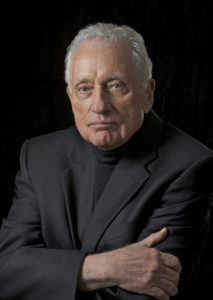
Born on January 4, 1932, in Larimore, North Dakota, Clint Hill grew up in a modest family. After high school, he enlisted in the U.S. Army, serving as a military policeman in Germany. This disciplined foundation led him to the U.S. Secret Service in 1955. His early assignments were in the investigative branch, focusing on counterfeiting and fraud, before his exceptional skills and calm demeanor earned him a coveted spot on presidential protection details.
Bio Data at a Glance
| Attribute | Details |
|---|---|
| Full Name | Clint Hill |
| Born | January 4, 1932, Larimore, North Dakota, U.S. |
| Died | February 21, 2025 (Age 93) |
| Service Years | 1955–1975 (U.S. Secret Service) |
| Presidents Served | Dwight D. Eisenhower, John F. Kennedy, Lyndon B. Johnson, Richard Nixon, Gerald Ford |
| Key Role | Special Agent in Charge (SAIC) of Protective Operations |
| Most Famous Act | Leaped onto President Kennedy's limousine in Dallas, Nov. 22, 1963 |
| Notable Work | Protected First Lady Jacqueline Kennedy & children after assassination |
| Later Career | Author of Mrs. Kennedy and Me and Five Days in November |
The Day the World Changed: November 22, 1963
The Dallas Motorcade and the Fatal Shot
On that fateful Friday, Clint Hill was assigned to the follow-up car in President John F. Kennedy's motorcade through Dealey Plaza. His specific duty was to protect the First Lady, Jacqueline Kennedy, and the Kennedy children. As the limousine turned onto Elm Street, Hill, positioned on the running board of the car behind, heard a sound he would later describe as a firecracker or motorcycle backfire. He looked forward and saw the president slump toward Mrs. Kennedy.
- Jd Vance And Erika Kirk Unpacking The Hug The Rumors And The Grief
- Antonio Vargas Compositor El Rey
- The Love Hypothesis Adams Pov
- Miracles From Heaven The True Story That Inspired The Film And Transformed Millions
In his own words from his memoir, Mrs. Kennedy and Me, the moment was one of pure instinct. “I heard the third shot, and I saw the president’s head explode. I didn’t think. I just reacted.” He leaped from his moving car onto the back of the presidential limousine, a maneuver captured in the infamous Zapruder film. As the car accelerated, Hill scrambled to maintain his grip, his primary focus shielding the First Lady with his body.
Shielding Jacqueline Kennedy and a President’s Final Moments
Hill’s actions in those chaotic seconds were heroic and harrowing. He shielded Jacqueline Kennedy as she climbed onto the rear trunk of the car, apparently reaching for a piece of her husband’s skull. He then turned his attention to the mortally wounded president. “I put my hand on the president’s head to try to stop the bleeding,” Hill later recounted. He remained on the car until it sped into Parkland Memorial Hospital, the last Secret Service agent to be physically close to a living President Kennedy.
The Invisible Wounds: Haunting Memories and Forced Retirement
A Guardian for a Grieving First Lady
Remarkably, Hill remained assigned to Mrs. Kennedy and the children until after the 1964 presidential election. He provided a steady, protective presence during their profound grief, a duty he approached with immense sensitivity and respect. This period forged a deep, lasting bond with Jacqueline Kennedy Onassis, whom he always referred to with deference as “Mrs. Kennedy.”
The Psychological Toll and Early Exit from the Service
The Kennedy assassination left an indelible mark on Hill. He suffered from severe insomnia, anxiety, and what we now recognize as post-traumatic stress disorder (PTSD). The memories were inescapable. “He was forced to retire early because he remained haunted by memories of the assassination,” a reality that many in high-stress protective roles face but few discuss as openly as Hill eventually did. In 1975, after serving under five presidents—from Eisenhower to Ford—and rising to become Director of Protective Operations, he left the agency he loved, his career cut short by the psychological burden of that day in Dallas.
A Career of Distinction: Serving Five Presidents
The Protector’s Path: From Eisenhower to Ford
While Dallas defined his public legacy, Hill’s entire career was one of exemplary service. After Kennedy’s death, he was assigned to President Lyndon B. Johnson at the White House. In 1967, he achieved a significant promotion, becoming the Special Agent in Charge (SAIC) of Presidential Protection—the top operational role for protecting the president. When Richard Nixon took office, Hill transitioned to become SAIC for the protection of Vice President Spiro Agnew. His final assignment was under President Gerald Ford. His trajectory from field agent to Director of Protective Operations showcased his strategic mind and unwavering commitment.
The Later Years: Memoir, Interviews, and Final Recognition
Giving Voice to the Silence
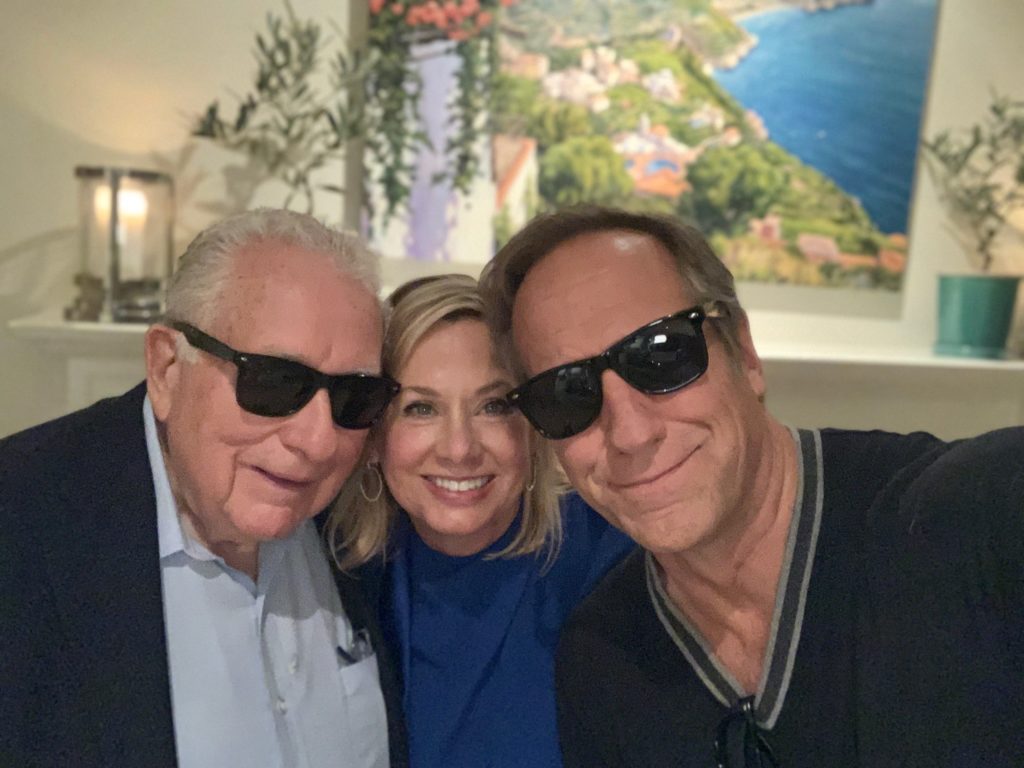
In his retirement, Hill initially stayed silent, adhering to the Secret Service’s culture of discretion. But encouraged by his wife, Lisa McCubbin Hill, he co-authored his memoir, Mrs. Kennedy and Me (2012), followed by Five Days in November (2013). These books provided an unprecedented, intimate window into the Kennedy White House and the assassination. As one reviewer noted, “I was enthralled with this memoir from start to finish, tears streaming down my cheeks…it is a real, revealing portrait and is simply fascinating.” In interviews, he answered controversial questions with grace, offering a “behind-the-scenes” look at history.
Passing and Public Tribute
Clint Hill passed away on February 21, 2025, at the age of 93. His wife, Lisa, confirmed the news. The Secret Service issued a statement, calling him a legendary figure. The public outpouring was immense, with tributes highlighting his character. “He was the epitome of a gentleman—humble, selfless, confident, brave, an encyclopedia,” Lisa McCubbin Hill said, perfectly capturing the man known for his quiet professionalism and encyclopedic knowledge of protocol and history.
Legacy: More Than a Leap
The Iconic Image and Its Meaning
The grainy film frame of a man in a dark suit scrambling on a presidential car is one of the most analyzed images of the 20th century. It represents instinctive bravery, the ultimate act of a protector placing himself between danger and those he safeguards. For decades, that image was Clint Hill for many people. His later willingness to speak helped transform that single moment of action into a full narrative of a life of service, sacrifice, and eventual healing.
Lessons in Duty and Humanity
Clint Hill’s story offers powerful lessons:
- The Weight of Duty: His career exemplifies the silent, relentless burden carried by those who guard the nation’s leaders.
- The Cost of Trauma: His forced early retirement underscores that heroism does not make one immune to psychological injury. His path highlights the critical need for mental health support for first responders and protectors.
- Humility in the Spotlight: Despite being a central figure in a historic tragedy, Hill never sought the limelight. His legacy is defined by his actions and his quiet testimony, not by self-promotion.
Conclusion: The Enduring Power of a Selfless Act
Clint Hill’s life was a study in contrasts: a man of immense physical courage who was emotionally shattered by what he witnessed; a lifelong public servant who valued his privacy; a historical icon who remained, at his core, a humble North Dakotan. His leap onto the Kennedy limousine was not a planned act of heroism but a raw, human response to a nightmare. The subsequent decades of carrying that memory, of serving with distinction despite the pain, and finally of sharing his truth to educate future generations, constitute an even greater, quieter form of bravery.
He served five presidents, but his defining moment was in the service of a first lady and a nation in shock. Clint Hill died at 93, but the image of that desperate leap—and the man who lived with its consequences for 62 years—will ensure his story remains a vital, human thread in the tapestry of American history. He was, as his wife said, the epitome of a gentleman, and his legacy is a reminder that true courage is often followed by a lifetime of quiet, unwavering resolve.
- Who Plays Penny From The Big Bang Theory
- Are You Serious Right In Front Of My Salad
- Jen Hatmaker Net Worth
- Lindsay Lohan Botox
Bio | Clint Hill

Speaking | Clint Hill
Clint Hill Archives - Lisa McCubbin Hill

