Delta Flight 191: The Tragic Microburst Crash That Transformed Aviation Safety
What Happened to Delta Flight 191 on August 2, 1985?
On a summer evening in 1985, a routine domestic flight from Florida to California ended in one of the most devastating and instructive aviation disasters in U.S. history. Delta Air Lines Flight 191, a Lockheed L-1011 TriStar, was approaching Dallas/Fort Worth International Airport (DFW) after a stop from Fort Lauderdale when it encountered a sudden, violent, and largely undetectable weather phenomenon. The crash killed 137 people—134 on board and 3 on the ground—while 27 survived. The story of Delta 191 is not just a chronicle of tragedy; it is a pivotal chapter in the science of meteorology, the evolution of aircraft technology, and the relentless pursuit of safety in the skies. This event forced the aviation world to confront a hidden atmospheric danger and implement changes that have saved countless lives since.
The Flight: A Routine Journey Interrupted
Delta Air Lines Flight 191: Route and Aircraft
Delta Air Lines Flight 191 was a regularly scheduled Delta Air Lines domestic flight from Fort Lauderdale, Florida, to Los Angeles, California, with an intermediate stop at Dallas/Fort Worth International Airport (DFW). On August 2, 1985, the aircraft operating this route was a Lockheed L-1011-385-1 TriStar, registration N726DA. The crew of three—Captain Edward T. Connors, First Officer Rudolph P. Price Jr., and Flight Engineer David G. Kelly—were experienced pilots. The flight from Fort Lauderdale to DFW was uneventful. As the TriStar began its approach into DFW, the weather in North Texas was typical for a hot August afternoon: hot, humid, and unstable, with scattered thunderstorms developing.
The Meteorological Perfect Storm: Understanding the Microburst
The Invisible Killer: What is a Microburst?
The central cause of the Delta 191 disaster was a microburst—a small, intense downdraft that spreads out upon hitting the ground, creating a powerful, localized wind shear. For pilots, this is a terrifying scenario: as an aircraft enters the microburst's outflow, it experiences a sudden headwind that increases airspeed and lift, potentially causing the plane to climb above its glide path. If the pilot reduces power to correct, the aircraft then exits the headwind and enters the tailwind, experiencing a rapid loss of airspeed and lift, often too low to the ground for recovery. While passing through the rain shaft beneath a thunderstorm, Flight 191 entered a microburst, which the pilot was unable to traverse successfully.
- Philippine Leroy Beaulieu Children
- Kristen Bell Movies And Tv Shows A Comprehensive Guide To Her Iconic Career
- Natalie Reynolds Only Fans Leak
- Vince Papale First Wife Sharon
The Conditions Over DFW on August 2, 1985
The focus of this webpage will be to detail meteorological conditions that resulted in the development of showers and thunderstorms near the DFW International Airport that likely produced the fatal microburst. On that day, a dryline—a boundary separating dry and moist air masses—was stalled near the Metroplex. This created a highly charged atmosphere where towering cumulonimbus clouds developed rapidly. Radar imagery and later analysis showed a cell producing heavy rain just north of the airport's final approach path. The microburst was likely occurring within or near the heavy precipitation core, making it visually obscured by rain and difficult to detect with the ground-based radar technology of the era. The crew, seeing the storm ahead, likely initiated a go-around, but the microburst's wind shear struck with catastrophic speed and force.
The Crash and Its Immediate Aftermath
The Final Moments
At approximately 6:05 PM CDT, as Flight 191 was on final approach to Runway 17C at DFW, it flew into the microburst. The aircraft's altitude was about 1,000 feet. The sudden, severe wind shear caused an immediate and dramatic loss of airspeed and lift. Despite the crew's efforts to apply maximum thrust, the TriStar stalled, banked sharply to the left, and descended rapidly. It crashed into a field just north of the airport, skidding across a highway and striking a car before breaking apart and catching fire. The impact and post-crash fire were unsurvivable for most on board. Three people on the ground in a car were also killed.
The Human Toll: Victims and Survivors
The crash resulted in 137 fatalities. Here is a list of victims and survivors of the crash of Delta Air Lines Flight 191 as provided by the airline, hospital officials and family members. The list includes passengers from across the country and the three crew members. Among the deceased were Killed on ground: Mayberry, William, Vicksburg, MI… (a partial listing from records). The 27 survivors included both passengers and one flight attendant. Their stories of survival are harrowing, often involving being ejected from the aircraft or trapped in sections that remained relatively intact.
Survivor Stories: Finding Purpose in the Ashes
Richard Laver: The Youngest Survivor's Journey
Richard Laver, the youngest survivor of the 1985 Delta 191 plane crash that killed 137, tells people how he has found purpose in his life. Laver was just 17 years old at the time, traveling with his family. He survived with severe burns and injuries. His story is one of profound physical and emotional recovery. In the decades since, he has become a public speaker and advocate, sharing his experience to highlight the fragility of life and the importance of resilience. He has spoken about the guilt of surviving and his long path to finding meaning, often focusing on themes of gratitude, community, and the value of each day. His journey embodies the long-term human aftermath of such disasters, far beyond the initial rescue and investigation.
| Name | Age at Crash | Role | Key Post-Crash Details |
|---|---|---|---|
| Richard Laver | 17 | Passenger | Youngest survivor. Suffered severe burns. Became a motivational speaker, focusing on resilience and finding purpose after trauma. |
| Captain Edward T. Connors | 47 | Pilot | Killed in the crash. Remembered as an experienced and respected captain. |
| Flight Attendant | N/A | Crew | One flight attendant survived. Specific details vary in reports. |
The Official Investigations: NTSB and FAA Reports
Unearthing the Cause
Of particular interest is the official FAA/NTSB report on the incident. The National Transportation Safety Board (NTSB) conducted a exhaustive investigation, releasing its final report in 1986. The probable cause was determined to be: "The flightcrew's encounter with a severe downburst during the approach which resulted in a rapid decrease in aircraft performance and their subsequent inability to successfully climb out of the downburst area. Contributing to the accident was the lack of specific guidelines, procedures, and training for avoiding and escaping from wind shear." The Federal Aviation Administration (FAA) was heavily criticized for its slow adoption of wind shear detection technology and inadequate pilot training requirements for such scenarios.
Key NTSB Findings
The report meticulously reconstructed the flight path, weather data, and crew actions. It concluded that the available ground-based radar (the Airport Surveillance Radar-9, or ASR-9) had a wind shear detection capability that was not yet fully implemented or mandated. Furthermore, the crew had no onboard predictive wind shear warning system. The investigation highlighted a critical gap: the aviation system knew about the wind shear hazard but had not effectively translated that knowledge into universal equipment and training standards.
The Accident's Legacy: Revolutionizing Aviation Safety
Exposing Systemic Inadequacies
The accident highlighted the inadequacies of windshear detection and avoidance systems and crew training. Delta 191 was a watershed moment. It proved that microbursts were not a theoretical risk but a practical, deadly threat to all aircraft phases of flight, especially approach and landing. The existing technology to detect wind shear was piecemeal, and pilot training for such an event was virtually non-existent. The crash forced a national reckoning within the FAA, airlines, and aircraft manufacturers.
The Technological and Training Revolution
In the aftermath, a massive, coordinated effort was launched:
- Mandatory Onboard Systems: The FAA mandated the rapid development, certification, and installation of Airborne Wind Shear Detection and Alert Systems (initially reactive, later predictive using Doppler radar) on all commercial jets. These systems can warn pilots of wind shear ahead, giving them crucial seconds to react.
- Ground-Based Radar Upgrades: The deployment of enhanced Terminal Doppler Weather Radar (TDWR) and upgrades to the ASR-9 with wind shear processing became a priority at major airports.
- Crew Training Overhaul: Pilot training curricula were completely rewritten. Simulator training for wind shear escape maneuvers (max thrust, pitch up, maintain configuration) became mandatory and recurrent. The "escape maneuver" became a standard, drilled response.
- Procedural Changes: New approach and departure procedures were designed to minimize time spent in low-level wind shear-prone areas. The concept of "microburst alerts" from air traffic control was formalized.
Learn how this event led to significant advancements in aviation safety that are now fundamental to modern flight. The changes spurred by Delta 191 are credited with preventing numerous subsequent accidents. For example, the successful wind shear escape by a USAir DC-9 at Charlotte in 1994 and a Delta MD-80 at Atlanta in 1997 are directly attributed to the training and technology born from the 1985 tragedy.
Media Coverage and Public Memory
WFAA's Coverage and the 75th Anniversary
To commemorate WFAA's 75th anniversary, we're looking back on our coverage of Delta Airlines Flight 191. The Dallas-based TV station's original breaking news coverage, with its live reports and survivor accounts, captured the shock and grief of the community. WFAA's original breaking news coverage of the deadly Delta flight 191 microburst crash at DFW airport remains a powerful historical document, showing the raw, immediate aftermath. Dallas — Tuesday marked the 37th anniversary of the crash of Delta flight 191 at Dallas/Fort Worth International Airport, and local media regularly revisits the story, ensuring new generations understand its significance.
A Disaster in the Public Consciousness
It was one of the biggest aviation tragedies ever in terms of loss of life on a single U.S. aircraft. The sheer suddenness and weather-related nature captured public imagination. Delta airlines 191#shorts #aviation #crash #planecrash #airdisasters tags on social media platforms show the event's enduring place in the "air disasters" genre. Documentaries, news specials, and countless articles have revisited the crash, often focusing on the microburst science and the safety legacy. Numerous reports, documentaries and reports have been completed following the events on August 2, 1985, cementing its place in aviation history curricula.
Commemoration and Remembrance
Forty Years Later: The Sisters' Story
Forty years after Delta flight 191 crashed at DFW airport, killing 137 people, sisters of one of the victims recall that tragic night. These personal testimonies are crucial. They move beyond technical reports to the human cost—the families left behind, the empty chairs at holidays, the lifelong grief. Memorial services are held periodically at DFW and in communities across the nation. A permanent memorial plaque exists at the airport, and the story is kept alive by victim families and survivor groups, ensuring that the 137 names are not forgotten.
The Crash Site Today
The actual crash site, in a field near the airport, is unmarked but remembered. For aviation enthusiasts and professionals, it is a somber place of pilgrimage, a stark reminder of the forces of nature that pilots must constantly respect and the hard-won safety systems that protect millions daily.
Conclusion: A Legacy Written in Safety
Explore the tragic story of Delta Air Lines Flight 191 and its encounter with a deadly microburst. It is a story of a perfect storm of meteorology, technology, and human fallibility. But its ultimate narrative is one of profound learning and systemic change. The crash of Delta 191 did not just claim 137 lives; it fundamentally rewrote the rulebook on how the aviation industry confronts severe weather. The microburst, once an invisible, undetectable killer, is now a hazard with a suite of technological defenses and a drilled, procedural response from every commercial pilot.
The lessons from that August evening in 1985 are embedded in the cockpit voice recorder memories of training, the blinking alerts on flight decks, and the doppler sweeps of weather radars at airports worldwide. While no safety system is infallible, the reforms following Delta 191 stand as one of the most successful and comprehensive responses to an aviation disaster. The legacy of those who perished is not merely a memory of loss, but a living, active protection—a promise that their deaths led to a deeper understanding and a safer sky for all who fly. The accident involving a Delta Air Lines Lockheed Tristar in 1985 taught the world a great deal about microbursts and windshear events. More importantly, it taught the world how to fight back.
- Who Plays Penny From The Big Bang Theory
- Do Squirrels Eat Fish
- Post Malone Then And Now
- James Heltibridle Walking Dead Character
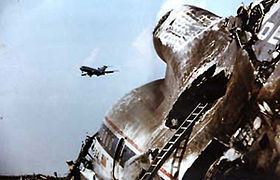
Delta Air Lines Flight 191 ~ Everything You Need to Know with Photos
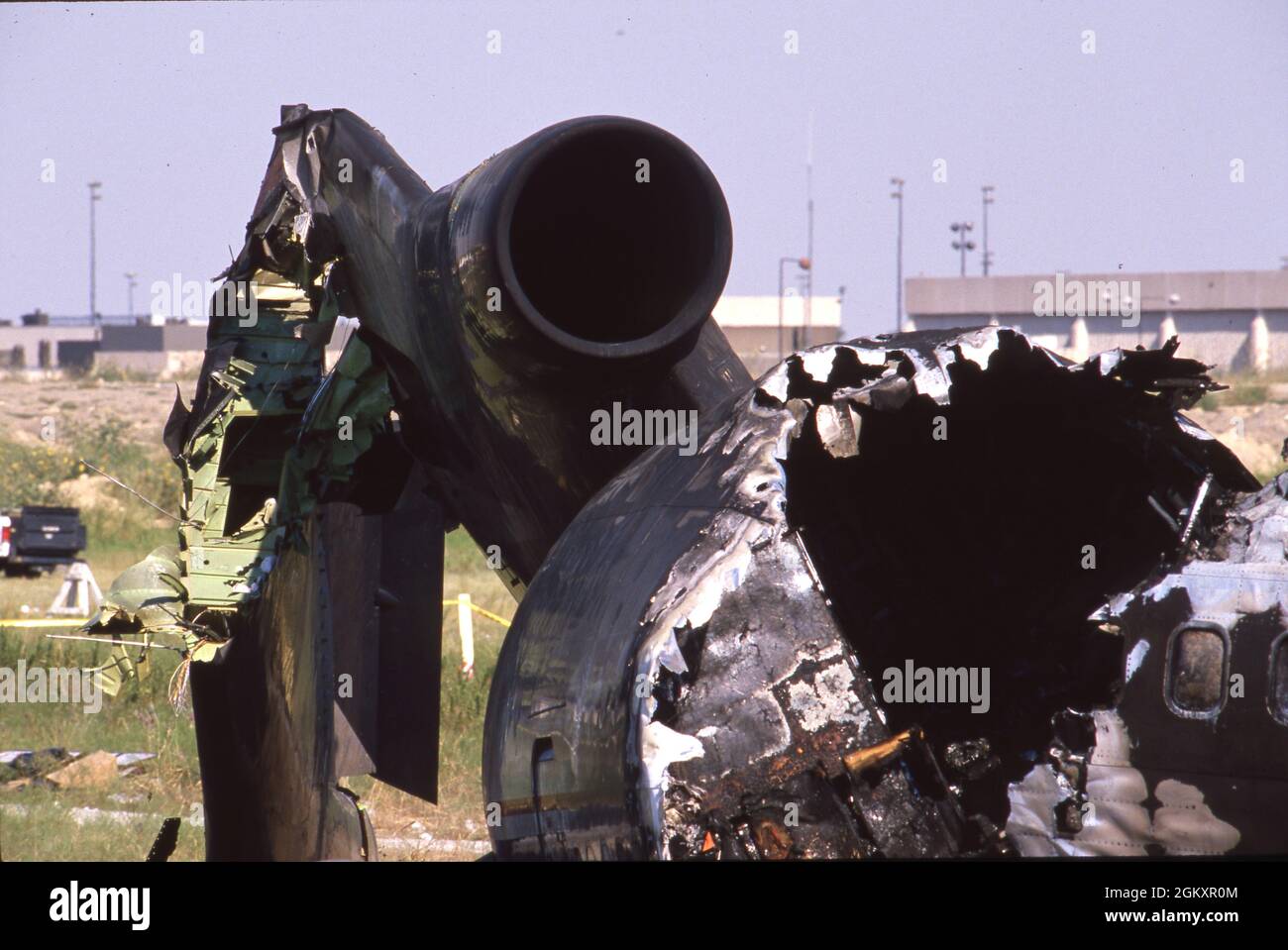
Delta flight 191 hi-res stock photography and images - Alamy
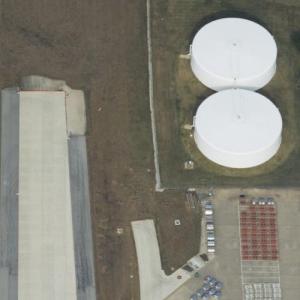
Delta Air Lines Flight 191 Crash Site in Irving, TX - Virtual Globetrotting

